
28 Apr 2026
to read
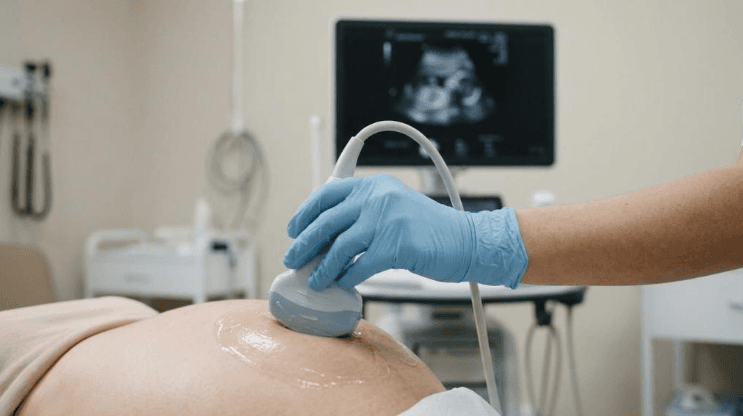
Pregnancy care is strongest when it begins early and continues with regular follow-up. Antenatal checkups give both mother and baby structured medical attention through each stage of pregnancy, with a clear focus on prevention, monitoring, and timely action when something needs closer review.
At Vatsalya Natural IVF, antenatal care is centered on careful observation of fetal development, pregnancy-related testing, and clinical consultation. This helps identify concerns early, track progress with confidence, and support a healthier pregnancy from the first visit through the months ahead.
Antenatal checkups are routine medical visits during pregnancy that help monitor the well-being of both mother and baby. These visits are not only about confirming that the pregnancy is progressing as expected. They also help detect conditions that may affect maternal health, fetal growth, or both.
Regular prenatal care supports early identification of issues like anaemia, hypertension, and pre-eclampsia. It also helps clinicians observe fetal growth and look for abnormalities that may need closer follow-up. With the right timing and clinical review, many concerns can be recognized sooner, which gives more options for care.
In a fertility-focused setting, antenatal care can also feel especially meaningful. Many patients arrive at pregnancy after a long path, and regular monitoring offers medical clarity along with reassurance.
Antenatal care often includes a combination of consultation, imaging, and laboratory testing. At Vatsalya Natural IVF, the antenatal service includes key pregnancy scans and investigations that help evaluate fetal anatomy, growth, and specific aspects of fetal heart health.
Antenatal service
What does it help assess?
Antenatal consultation
Pregnancy progress, symptoms, review of reports, planning next steps
Pregnancy lab investigation
Routine pregnancy-related blood and urine testing
Nuchal translucency scan
Early screening assessment in the first trimester
Fetal anomaly scan
Detailed review of fetal structure and development
Fetal growth scan
Ongoing tracking of fetal growth and well-being
Fetal echocardiography
Focused assessment of the fetal heart
These services are useful at different points in pregnancy. Some help with early screening, while others are more relevant later when anatomy and growth can be assessed in greater detail. The exact timing depends on the pregnancy, the clinical history, and the doctor’s recommendation during consultation.
A strong antenatal plan is not based on one test alone. It is the combination of visits, scans, lab investigations, and follow-up decisions that gives a clearer picture of how the pregnancy is progressing.
After a clinical review, the care plan may include:
• Antenatal consultation
• Pregnancy lab investigations
• NT scan
• Fetal anomaly scan
• Fetal growth scan
• Fetal echo
The value of antenatal checkups lies in continuity. A single visit can offer useful information, but regular follow-up makes it possible to compare findings over time. This helps clinicians see whether maternal health remains stable and whether the baby is growing as expected.
Prenatal care is also one of the best ways to reduce uncertainty. If a patient has symptoms, prior reproductive challenges, or simply wants closer observation, ongoing checkups create a structured medical path forward. That can make decisions clearer and improve timing for any needed intervention.
The benefits of regular antenatal care often include the following:
• Early identification: Concerns like high blood pressure, anaemia, or signs linked to pre-eclampsia may be recognized sooner
• Growth monitoring: Fetal development can be tracked through scans and clinical review
• Preventive care: Potential complications may be addressed before they become more serious
• Clinical guidance: Each visit helps shape the next step in testing, follow-up, and observation
• Reassurance: Normal findings can bring confidence during a time that often feels emotionally intense
Even when everything appears normal, antenatal care still matters. Healthy pregnancies need monitoring too. Routine assessment helps confirm that progress remains on track and gives space to discuss any changes, symptoms, or questions that arise.
An antenatal consultation usually begins with a review of the pregnancy so far. This may include prior test results, symptoms, scan findings, and any relevant medical or reproductive history. The purpose is to build a clear clinical picture and decide what kind of follow-up is appropriate.
From there, the consultation may lead to pregnancy lab investigations, ultrasound imaging, or repeat review at a later date. If a scan has already been done, the consultation helps place the results in context. If a concern is suspected, the visit helps define the next step instead of leaving the patient guessing.
For patients who conceived after fertility treatment, continuity can be especially helpful. Moving from fertility care into pregnancy care within the same medical environment can support better coordination and a stronger sense of confidence during early pregnancy.
Different scans serve different purposes, and each one adds a distinct layer of information.
The nuchal translucency scan is used in early pregnancy screening. The fetal anomaly scan offers a more detailed structural review as the pregnancy progresses. A fetal growth scan helps track whether the baby is developing along an expected pattern over time. Fetal echocardiography is a more focused assessment of the fetal heart when this type of review is needed.
These imaging tools are not meant to replace consultation. They work best when interpreted alongside symptoms, examination, and lab results. That clinical combination supports better judgment and more informed follow-up.
Every pregnancy deserves care, though some pregnancies call for more frequent observation or more targeted testing. This may apply to those with a history of infertility, prior pregnancy complications, concerning symptoms, or known maternal health issues.
It may also apply when scan findings need repeat assessment, when fetal growth needs review, or when there is a need to watch for pregnancy-related conditions more carefully. In these cases, regular antenatal checkups help keep care organized and timely.
Situations that often call for closer review can include:
• First pregnancy after infertility treatment
• Prior miscarriage or prior pregnancy complication
• High blood pressure or anaemia during pregnancy
• Concern about fetal growth
• Need for detailed fetal cardiac assessment
• New symptoms that need medical review
Vatsalya Natural IVF is known for reproductive medicine, though antenatal care is also a meaningful part of the care pathway. For many patients, pregnancy follow-up in the same clinical setting offers continuity after conception, with access to consultation, pregnancy investigations, and fetal imaging under one roof.
This model is especially valuable when pregnancy care needs to remain closely connected to earlier fertility treatment history. It also helps when patients want a single team-based setting for evaluation, follow-up, and next-step planning.
The clinic’s broader focus on advanced reproductive care, experienced specialists, and compassionate support adds depth to antenatal services. That matters because pregnancy monitoring is not only about performing tests. It is about interpreting them well, responding at the right time, and caring for each patient with consistency.
An antenatal visit should be planned as soon as pregnancy is confirmed or as soon as a doctor advises follow-up. Early assessment creates a starting point for the pregnancy and helps determine which tests or scans may be needed first.
As pregnancy progresses, repeat visits help monitor changes over time. If there are symptoms, previous reproductive concerns, or a need for closer observation, timely consultation becomes even more valuable. A structured antenatal plan gives patients a clearer view of what is happening now and what should happen next.
© 2025 Vatsalya. All Rights Reserved